Pineapple Embroidery Design Review for Real Projects
As an embroidery designer who’s stitched countless motifs onto fabric, I know how crucial it is to choose a design that not only looks good in the preview but also stands up to the realities of real-world use. The Pineapple Embroidery Design caught my eye with its tropical flair and detailed texture, so I took it for a test run across several common embroidery applications. Here's what I found.
First Impressions: A Vibrant, Textured Tropical Icon
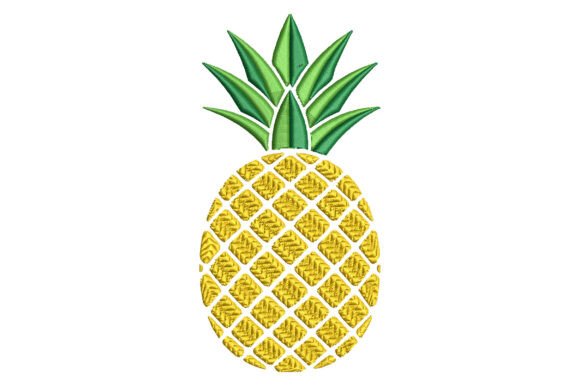
The Pineapple Embroidery Design immediately brings a sense of warmth and fun to any project. Its shape is full and natural, with a stylized yet realistic feel that makes it versatile enough for both casual and more polished items. The visual personality is bright and cheerful — perfect for creating a sense of island escape or laid-back summer vibes. The level of detail in the skin texture and leafy crown is impressive, giving the pineapple a three-dimensional look that feels handcrafted even when machine-stitched.
I could see this design fitting naturally into custom apparel like sweatshirts and tote bags, especially for those targeting a beach-themed aesthetic or a boho-chic vibe. It also has potential as an embroidered patch for denim jackets or as part of a larger set of food-themed design assets. But before jumping in, there are some key considerations to keep in mind.
Real-World Performance on Common Embroidery Projects
When I tested the Pineapple Embroidery Design on a few different substrates, it performed well on medium-weight cotton blends and quilting cotton. The stitch density was balanced, allowing for clear definition without being too tight or causing puckering. On a tote bag made from canvas-like material, the pineapple stood out beautifully with minimal distortion. For a baby onesie, I paired it with softer pastel thread colors, and the result felt whimsical and appropriate for a nursery theme.
- Tote Bags: The pineapple added a bold focal point, making it ideal for personalized gifts or boutique product lines.
- Sweatshirts & T-Shirts: Stitched near the chest area, it looked great in both color and black-and-white variations, which is important for branding purposes.
- Aprons & Tea Towels: The design worked particularly well here due to the sturdy nature of the fabric, and the pineapple became a decorative accent that didn’t fade after washing.
- Holiday Gifts & Decor: When used in pillow covers or kitchen towels, it brought a festive touch that would make these items highly giftable and marketable for Etsy sellers or small shop owners.
- Baby Items: The pineapple had a playful yet sophisticated feel, suitable for modern parents looking for unique nursery decor or clothing.
However, not every application was a slam dunk. When I tried using it on a stretchy athletic fabric for a cap, the design stretched slightly during the stitching process, which affected the clarity of the pineapple’s outline. This highlights the importance of testing the design on your intended fabric before committing to a production batch.
Where to Use Carefully: Practical Limitations
While the Pineapple Embroidery Design is undeniably charming, it does have limitations that designers should be aware of. Here are a few areas where you might need to adjust your approach:
- Small Hoop Sizes: The pineapple is fairly large, so if you're working within a tight hoop size, you may need to scale it down carefully to maintain stitch integrity.
- Textured or Stretchy Fabrics: These can cause distortions in the final look. Always test on similar fabric first and consider using a stabilizer underneath.
- Dark Fabric Backgrounds: While the design includes a range of thread colors, it may lose impact on darker fabrics unless you choose high-contrast shades.
- Curved Surfaces: Pines like caps or curved patches require extra attention to positioning and tension control to avoid warping.
- Frequent Washing: If the item will be laundered often, such as a kitchen towel or apron, ensure the design uses durable stitches and quality threads.
Despite these challenges, the Pineapple Embroidery Design still holds strong visual appeal and can be adapted with the right techniques. For instance, breaking the design into sections or using applique methods could help manage stitch density and reduce strain on delicate materials.
Visual Appeal and Professional Presentation
One of the standout qualities of the Pineapple Embroidery Design is its ability to elevate the visual appeal of almost any handmade product. The textured appearance gives it depth and dimension, while the overall composition is balanced and visually engaging. As a motif, it adds a touch of creativity and uniqueness that helps handmade products stand out in a crowded marketplace.
For craft business owners and Etsy sellers, this kind of design can significantly enhance customer trust and buyer engagement. A well-executed pineapple embroidery shows professionalism and care, reinforcing the perception of a finished product rather than a rushed embellishment. It also aligns nicely with seasonal themes — think summer collections, holiday gifts, or resort-style apparel — making it a valuable addition to your design library.
Designer Tips for Using Pineapple Embroidery Design Effectively
If you’re planning to incorporate the Pineapple Embroidery Design into your next project, here are a few practical notes to help you achieve the best results:
- Test on Scrap Fabric: Before stitching on a client’s garment or a commercial piece, always try it out on a sample piece to assess how it behaves with your specific machine and settings.
- Check Thread Color Contrast: Make sure the thread colors pop against your chosen fabric. Sometimes subtle hues don’t translate well in real life.
- Review Stitch Density: Areas with heavy fill stitch may need to be adjusted depending on the thickness of the fabric. Too dense, and you risk puckering; too loose, and the details may appear fuzzy.
- Confirm Hoop Size: If the design doesn’t specify compatible hoop sizes, check your own machine’s specifications and adjust accordingly.
- Inspect Small Details: Look closely at the pineapple’s leaves and ridges. Depending on scaling, they might become less defined or harder to execute cleanly.
- Use Proper Stabilizer: Especially for stretchy or thin materials, using a cutaway or tear-away stabilizer can make all the difference in maintaining the design’s shape and clarity.
- Test in Black and White: Consider how the design will look if printed as a mockup or sold in grayscale. This is useful for digital product previews or monochrome branding.
- Compare Light and Dark Fabrics: Visualize the design on various background tones to determine which combinations create the most appealing contrast.
- Confirm Licensing: If you plan to sell finished items or digital embroidery files, ensure you understand the licensing terms associated with the Pineapple Embroidery Design. Some designs come with restrictions for commercial use.
Branding and Marketability Potential
For creative entrepreneurs and small business owners, the Pineapple Embroidery Design offers a unique opportunity to build brand consistency. Its recognizable form and positive associations with tropical themes can serve as a signature element in your collection of design assets. Imagine using it on a line of custom apparel for a boutique specializing in beachwear or as a recurring motif in a printable mockup series for digital product sellers.
It’s also a fantastic choice for personalized gifts and holiday embroidery projects. Whether you’re embroidering a pineapple on a baby blanket or a wedding gift, the design brings a sense of joy and thoughtfulness that customers appreciate. Just remember to pair it with the right font or text layout if adding names or dates — the pineapple should complement, not compete with, other elements.
Final Thoughts on Pineapple Embroidery Design
In summary, the Pineapple Embroidery Design is a strong contender for a variety of embroidery projects, especially those aiming for a tropical or artisanal aesthetic. Its visual charm, combined with a solid structure, makes it adaptable for both personal and commercial embroidery work. That said, success hinges on thoughtful preparation and understanding of the design’s strengths and weaknesses.
As someone who’s invested in the quality of my finished products, I’d recommend taking the time to test the design thoroughly before moving into full production. With the right adjustments, the Pineapple Embroidery Design can become a staple in your repertoire — one that enhances product value, improves handmade presentation, and boosts buyer engagement across platforms like Etsy and craft fairs.