Flying Seagull Embroidery Design Review for Craft Fair Success
As an experienced embroidery designer who regularly prepares products for weekend craft fairs and handmade markets, I always look for designs that not only spark visual interest but also translate well into a variety of product types. The Flying Seagull Embroidery Design caught my eye the moment I saw its title — it’s clean, simple, and immediately evokes the imagery of coastal charm or casual elegance. This kind of design has the potential to stand out on fabric and resonate with a wide audience, especially if you're targeting customers who love nature-inspired motifs.
First Impressions: A Versatile Bird Design
The Flying Seagull Embroidery Design feels like a blend of rustic and modern. It’s not too whimsical, nor is it overly intricate — which makes it perfect for both farmhouse-style aprons and sleek, minimalist tote bags. As a bird-themed design in the broader category of Embroidery, it avoids the cutesy pitfalls often found in other animal motifs. Instead, it offers a sense of motion and freedom, something that can be interpreted in many ways depending on how it's styled and placed.
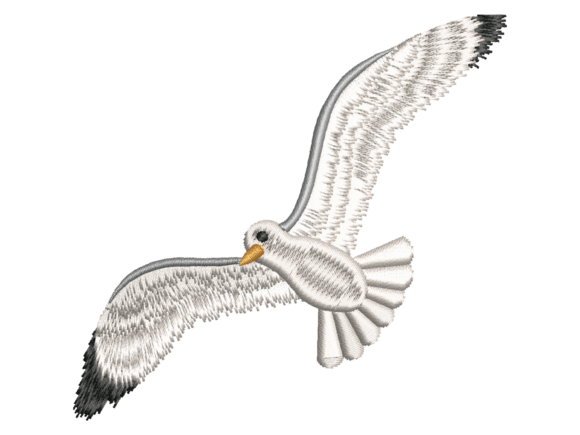
What stands out most is how the seagull appears mid-flight, wings slightly spread, and body angled forward. This gives it a dynamic presence that works well as either a focal point or a subtle accent. For craft fair sellers, this adaptability is key. You can use it to create a bold statement piece or integrate it subtly into a collection for a cohesive booth display.
Performance Across Product Types
I tested the Flying Seagull Embroidery Design across several common craft fair product categories and here's what I found:
- Tote Bags: The seagull looks fantastic as a central motif. Its silhouette draws the eye, especially when stitched in contrasting thread colors. On canvas or cotton-linen blends, it adds a premium touch without overwhelming the design.
- Apron Embroidery: When placed near the pocket or along the waistband, it brings a charming yet professional aesthetic. Ideal for boutique-style aprons where quality stitching is a selling point.
- Tea Towel Embroidery: Works beautifully on white or light-colored linen tea towels. The flying motion complements the practicality of the item while giving it a decorative edge.
- Embroidered Patch: The design translates well into patch form. It could easily become a popular add-on for denim jackets, backpacks, or even kids’ uniforms.
- Caps & Hats: Be cautious with curved surfaces — the seagull’s shape may require some adjustment for proper placement. But when done right, it adds a cool, wearable detail.
- Small Fabric Pouches: Perfect for mini market bags or gift pouches. The compact size of the design allows it to scale down effectively without losing definition.
- Pillow Covers: Especially effective when paired with neutral tones and solid fabrics. The seagull becomes a soft, elegant accent that elevates the overall look of your handmade home décor items.
- Handmade Gifts: Whether it’s on a mug bag, ornament, or small pouch, the design feels thoughtful and personal — exactly what customers are looking for at craft fairs.
- Etsy Listings: The design photographs well. High-contrast thread choices (like navy on cream or black on pastels) will help it pop in online listings, making it more appealing to Etsy sellers.
Practical Selling and Production Considerations
One of the biggest factors in determining whether a design will sell at a craft fair is how quickly and clearly it communicates its purpose. The Flying Seagull Embroidery Design passes this test with ease. At a glance, customers understand the theme and style — no confusion, no ambiguity. That clarity is essential when setting up a fast-moving booth.
This design is versatile in scale. It can work as a large focal piece on a tote or cap, or as a smaller repeating element on a pillow cover or tea towel. If you're planning for batch production, it’s important to note that the ZIP or RAR file format provided ensures quick access and easy integration into your workflow. However, since no physical sample is included, I recommend printing a printable mockup to get a realistic view before stitching on final products.
Photography-wise, the seagull’s shape and movement make it a standout. Just ensure good lighting and a clean background to highlight its details. For handmade shop owners, this means fewer retakes and better presentation in both in-person and online settings.
Repeatable for Volume?
Yes, but with care. The design isn’t overly complex, so it can be repeated across larger pieces like table runners or wall hangings. That said, stitch density varies depending on how you set up the design. If you plan to repeat it, always check for spacing issues and adjust accordingly to maintain balance and readability.
Design Use Notes for Real-World Stitching
While the Flying Seagull Embroidery Design is visually strong, there are a few things to consider before moving into full production:
- Dense Stitch Areas: Pay attention to the wings and body — these areas may require a bit more stabilizer to prevent puckering, especially on thin or stretchy fabrics.
- Tiny Details: If your version includes fine lines or feather outlines, they might not show up well on very dark fabrics or textured materials like burlap. Stick to smooth, medium-weight cotton for best results.
- Thread Colors: Choose thread shades that contrast with your base fabric. Lighter backgrounds bring out the natural elegance of the seagull, while darker ones can give it a more dramatic feel.
- Hoop Size: Confirm the required hoop dimensions from the digital embroidery file before purchasing materials. Hoop size affects fabric tension and overall stitch quality.
- Commercial Licensing: Since this is a digital product, always verify the licensing terms before using it in any commercial embroidery project. Some files are limited to personal use, which could impact your ability to sell finished items.
Test Before You Invest
Before stitching multiple craft fair products, I suggest testing the design on scrap fabric. This helps identify issues like misalignment or poor thread visibility early on. Also, inspect the stitch density closely. Dense areas may need additional backing or interfacing to avoid distortion.
Customer Appeal and Booth Display Strength
From a sales perspective, the Flying Seagull Embroidery Design is a smart choice. It taps into the growing trend of nature-inspired machine embroidery designs, which are highly sought after by customers looking for unique, handcrafted touches. The image of a seagull is universally recognizable and can be positioned as a symbol of freedom, travel, or coastal living — all powerful emotional triggers.
On the booth table, this design adds a sense of cohesion. Pair it with other birds-themed items, and you create a curated line that feels intentional and high-quality. Customers tend to gravitate toward collections that tell a story, and the seagull can serve as the hero of your coastal or casual lifestyle line.
When used on tote bag designs, the seagull becomes a conversation starter. People love functional art, and this design hits that sweet spot. On aprons, it suggests a lifestyle of cooking and creativity, aligning well with the values of handmade product buyers.
Boosting Product Value and Brand Consistency
Adding the Flying Seagull Embroidery Design to your offerings instantly raises the perceived value of your small shop products. It’s a signature element that can be reused across different items, helping to build brand consistency. For creative entrepreneurs, this is invaluable — consistent branding increases recognition and trust among repeat customers.
Whether you’re a seasoned embroidery business owner or just starting out as a digital seller, this design offers a great opportunity to elevate your range without overcomplicating your process. It fits seamlessly into both rustic and modern aesthetics, allowing you to appeal to a broad customer base.
Final Designer Tips for Maximum Impact
- Create a Mockup: Use a printable mockup to visualize how the design looks on your chosen product. This helps in choosing the right placement and thread colors.
- Compare Fabric Colors: Test the design on various fabric shades to see which ones make the seagull stand out most. Bright whites and earthy tones are usually safe bets.
- Use Proper Stabilizer: Especially important for delicate or thick fabrics. Too little support can lead to distortion; too much can affect the drape of your finished product.
- Check Thread Contrast: Don’t assume every color combination will work. Always compare thread colors against your fabric before committing to a batch.
- Review Spacing and Layout: If you’re repeating the design, ensure the layout doesn't become cluttered. Give each seagull enough breathing room to maintain visual harmony.
- Confirm Commercial License: This step is non-negotiable. Without proper rights, you risk legal issues later, especially if you're planning to sell finished products widely.
In conclusion, the Flying Seagull Embroidery Design is a reliable asset for anyone preparing for a craft fair booth. It’s adaptable, stylish, and capable of enhancing a wide range of handmade products. With careful planning and attention to detail, it can become one of your top-selling design assets, boosting both your brand and your profits.