Class of 2026 Graduate Embroidery Design Review
As an experienced embroidery designer, I often evaluate machine embroidery designs for their suitability in real-world small business applications. The Class of 2026 Graduate Embroidery Design caught my attention with its clean presentation and versatile sizing options. It’s a design that blends the celebratory spirit of graduation with a professional aesthetic, making it ideal for branded merchandise like patches, custom apparel, tote bags, and more.
First Impressions: A Balanced Visual Personality
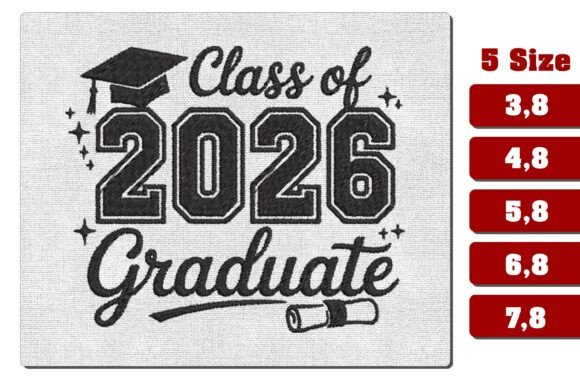
The Class of 2026 Graduate Embroidery Design immediately conveys a sense of accomplishment and pride. While the theme is graduation, the execution feels surprisingly adaptable to a wide range of industries—from cafés celebrating student discounts to craft shops honoring local schools or colleges. Its typography and iconography suggest a modern yet classic vibe, which makes it feel both friendly and premium.
I appreciate how it avoids being overly ornate or decorative, instead leaning into a minimalist approach that still carries emotional weight. This balance between elegance and approachability is crucial for small businesses looking to maintain a cohesive brand identity while appealing to a broad audience. Whether you're aiming for a bold statement or a subtle touch, this design has the potential to deliver both when applied correctly.
Real Business Use: Where This Design Shines
The availability of multiple sizes—3.8 in, 4.8 in, 5.8 in, 6.8 in, and 7.8 in—makes the Class of 2026 Graduate Embroidery Design suitable for a variety of commercial projects. Here are some practical use cases where this design can elevate your small business merch:
- Embroidered Patches: Perfect for adding a commemorative flair to denim jackets, backpacks, or promotional items. The clear lines and structured layout ensure the patch remains legible even at smaller sizes.
- Staff Uniforms: As a chest logo accent or sleeve detail, the design adds a touch of professionalism without overwhelming the garment. It works especially well on light-colored uniforms where contrast can be easily achieved.
- Apron Embroidery: Ideal for boutique staff aprons or bakery uniforms. The design's simplicity ensures it doesn’t clash with other branding elements and remains visible during active service.
- Cap Embroidery: When placed on the front or side of a cap, it becomes a subtle but recognizable brand element. The larger sizes (6.8 in and 7.8 in) provide excellent visibility from a distance.
- Tote Bag Design: For event merch or customer gifts, the Class of 2026 Graduate Embroidery Design can serve as a central motif. Its structured format helps maintain visual consistency across different bag styles.
- Branded Product Add-Ons: On tags, labels, or packaging accents, this design brings a personal touch that enhances product value and reinforces your handmade or locally sourced image.
Its adaptability also extends to digital embroidery file integration. You can easily pair it with other design assets to create layered looks for work shirts, event tees, or Etsy product listings. The key is ensuring the thread color palette complements your existing brand colors and fabric choices.
Where to Use with Caution
While the Class of 2026 Graduate Embroidery Design is versatile, there are certain scenarios where extra care is needed:
- Small Patch Sizes: At 3.8 in or 4.8 in, the design may lose clarity if not optimized for low stitch density. Always test on actual materials before mass production.
- Curved Surfaces: Caps and curved areas of garments can cause distortion if the design isn't properly formatted for 3D embroidery. Make sure the file includes compensation settings.
- Tiny Lettering: If the design includes "2026" in a smaller font, consider whether it will remain readable after embroidery. Some fonts don’t translate well in stitch form.
- High Stitch Density: Depending on the version of the design, certain elements might have dense stitching that could lead to puckering or damage on delicate fabrics.
- Textured Fabric: The design’s fine outlines may not show up clearly on rougher textiles like canvas or twill unless adjusted for texture and stabilizer use.
- Dark Uniforms: Thread colors may need to be customized to ensure visibility. Lighter threads on dark backgrounds can sometimes fade or become less defined post-washing.
- Frequent Washing: If used on items like aprons or gym wear, check for durability. High-density embroidery may require reinforced backing or special thread types to prevent fraying over time.
Impact on Brand Identity and Customer Perception
Incorporating the Class of 2026 Graduate Embroidery Design into your branding toolkit can significantly enhance your brand identity. It signals a thoughtful, community-oriented business, especially if you're targeting graduates or educational milestones. For creative studios or handmade brands, using this design can help establish a connection with customers who appreciate nostalgic yet modern aesthetics.
When applied consistently across your small business merch—whether as a printed mockup or an embroidered feature—it builds recognition. Customers start to associate the look with your brand, increasing trust and loyalty. Additionally, the premium finish of high-quality embroidery can boost perceived product value, allowing you to price items higher or justify added cost for personalized touches.
This design also supports buyer engagement. Think about creating limited-edition caps or tote bags for alumni events, school partnerships, or seasonal promotions. It’s a great way to generate excitement around your products and create a shared experience between your brand and its audience.
Designer Notes for Optimal Application
Here are some essential tips for using the Class of 2026 Graduate Embroidery Design effectively in commercial embroidery projects:
- Test in Black and White First: Before finalizing thread colors, view the design in grayscale to ensure it maintains clarity and contrast regardless of lighting conditions.
- Check Small Patch Size Legibility: If planning to use the smallest size, inspect how the details scale down. Sometimes intricate elements get lost in miniaturization.
- Review Thread Color Contrast: Match thread colors to your brand guidelines and fabric types. Dark-on-light or metallic accents can make the design pop depending on context.
- Inspect Spacing and Alignment: Ensure letters and icons are evenly spaced and centered. Misalignment can affect professionalism, especially on high-visibility items like work shirts.
- Confirm Hoop Size Requirements: Since specific hoop sizes aren’t listed, always verify compatibility with your machine. Larger designs may need bigger hoops for stability.
- Test on Real Fabric: Don’t rely solely on printable mockups. Stitch the design onto actual materials to see how it behaves under tension and washing.
- Use Proper Stabilizer: Especially for lightweight or stretchy fabrics, choose the right stabilizer type (cutaway, wash-away, or tear-away) to prevent distortion.
- Create a Mockup for Client Approval: Present a sample of the finished product to clients or stakeholders. This step helps avoid costly revisions later in the process.
- Compare Beside Other Design Assets: Check how the design interacts with your logo, tagline, or other embroidery files. Visual harmony is key for maintaining a consistent brand image.
- Confirm Commercial Licensing: Before applying this digital embroidery file to any branded merchandise, double-check the license terms. Some designs require permission for bulk or retail use.
Final Thoughts for Merch Creators and Apparel Decorators
The Class of 2026 Graduate Embroidery Design is a strong contender for businesses seeking to add a meaningful and stylish touch to their custom apparel and product offerings. Its clean layout and thematic relevance offer a unique opportunity to connect with customers through shared experiences and values.
However, success lies in the details. From choosing the right thread colors to testing stitch behavior on various fabrics, careful preparation is essential. As someone who frequently works with small business merch, I recommend considering this design as part of a broader strategy to build a memorable and visually consistent brand presence.
If you’re ready to explore how this design fits into your next project, download the digital embroidery file and begin experimenting. With the right adjustments and attention to quality, the Class of 2026 Graduate Embroidery Design can become a powerful symbol of your brand’s story and purpose.