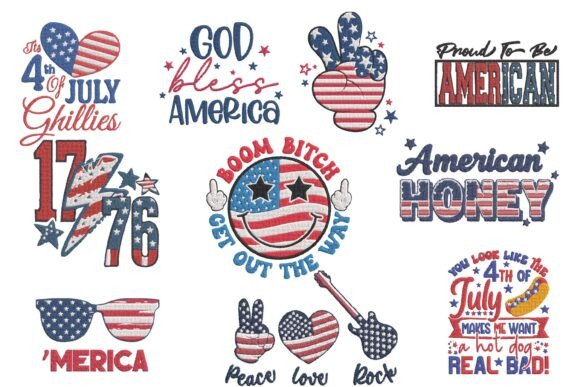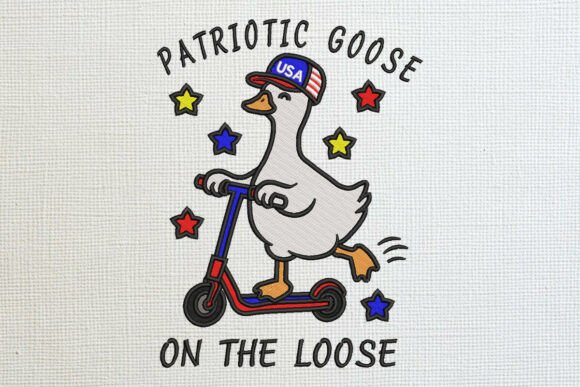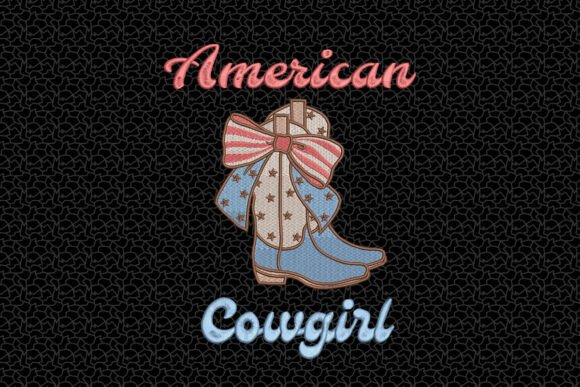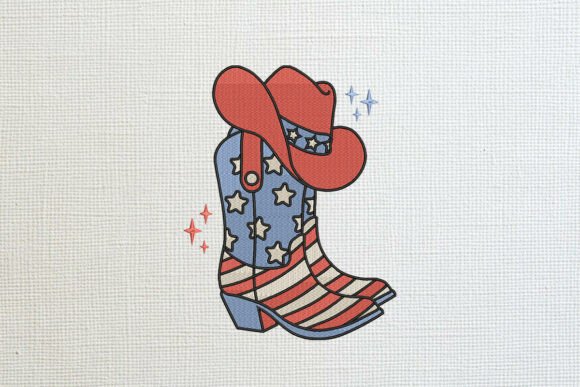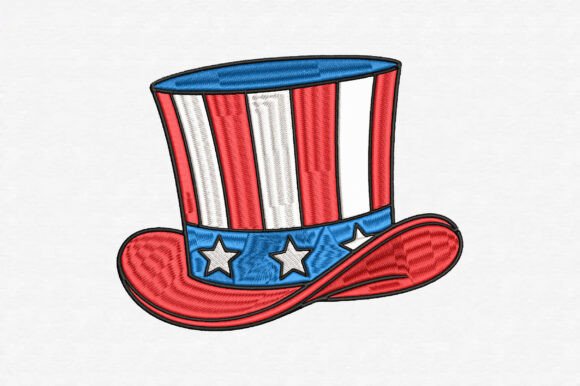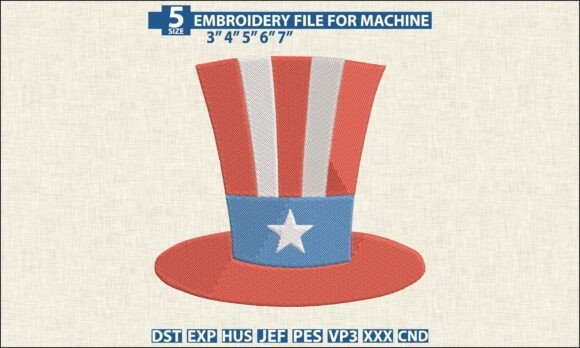
4th of July DST PES Embroidery Design Review for Craft Fairs
Where This Design Shines on Craft Fair Products
- Tote bags: The design becomes a standout feature when stitched onto cotton canvas or linen. Its boldness makes it perfect as a focal point, especially if paired with minimal text or no other embellishments.
- Aprons: A large placement on the front pocket draws attention and adds a touch of personality. Customers love seeing unique designs on functional kitchen wear.
- Tea towels: When scaled down slightly, the design maintains clarity and adds a decorative flair. The soft fabric allows the colors to pop while still feeling home-friendly.
- Embroidered patches: These are always a hit at craft fairs. The design stitches cleanly and can be sewn onto denim jackets, backpacks, or even custom hats for added versatility.
- Pillow covers: The patriotic theme blends well with farmhouse or rustic décor. Stitching it near the corner gives it enough space to breathe without overwhelming the piece.
- Fabric pouches and market bags: As a repeating design or single motif, it looks great on reusable bags. Perfect for shoppers who want to support small businesses and celebrate the season at the same time.
- Caps and headwear: With a bit of tweaking, this design can be adapted for curved surfaces. It’s subtle enough to avoid clutter but still makes a statement.
- Giftable handmade items: From embroidered mugs to personalized aprons, this design elevates everyday gifts into something memorable.
- Booth samples: One tote bag with this design at the center of your table display immediately sets the tone for your collection. It tells customers, “This is what we do.”
- Etsy listings: High-quality stitch-out translates directly to better photos and more sales. This design photographs beautifully, especially when contrasted against light-colored fabrics.
- Commercial embroidery: If you're scaling up production, this design is a solid choice. It’s optimized for smooth stitch-outs, which means fewer issues during mass production runs.
Practical Selling and Production Considerations
As an experienced embroidery designer, I know that practicality is just as important as aesthetics. The 4th of July DST PES Embroidery Design checks several key boxes:Glance appeal: The design is instantly recognizable. Whether it’s a cap or a tea towel, people can read it quickly and understand the theme—perfect for impulse buyers at a crowded craft fair.
Scale flexibility: You can use it as a large central design on a tote or scale it down to a small accent on a pouch. This adaptability is huge for small shop product lines, where you want to maximize design use across different price points.
Photogenic quality: The sharp edges and defined elements make it ideal for online listings. As an Etsy seller or digital seller, you’ll find it easy to showcase in printable mockups. Just pair it with the right background and lighting, and you’re ready to go.
Batch production: The smooth stitch-out ensures consistency between units. That’s critical when you’re preparing a dozen similar items for a weekend sale. No one wants to open their new line only to find half the designs puckered or misaligned.
Use Cases to Maximize Sales
Here’s how I would recommend using the 4th of July DST PES Embroidery Design for maximum visibility and profitability:- Make it the hero of your booth: Create a few sample tote bags or aprons with this design as the main feature. People are drawn to bold, thematic pieces during seasonal events.
- Offer it as a patch option: Patches are portable and versatile. They allow customers to take a piece of your brand home and apply it to their own projects later.
- Incorporate it into gift sets: Pair it with other patriotic-themed items or seasonal kits. It adds value and makes your offerings feel curated.
- Use it for branding: If your boutique or business has a patriotic angle, this design can help reinforce your brand identity across all your embroidery-based products.
Important Care Notes for Optimal Results
- Dense stitch areas: Some parts of the design may require thin stabilizer to prevent distortion, especially on stretchier fabrics like knits or lightweight cottons.
- Tiny details: If the design includes intricate lettering or small symbols, test it on scrap fabric first. Smaller sizes might lose clarity depending on thread thickness and tension.
- Thick or textured fabrics: Avoid stitching it on heavily quilted or woven materials unless you adjust hoop size and stabilize accordingly. The texture could cause the design to pucker or misalign.
- Dark fabric: Thread colors may not show up as vividly. Always compare fabric color with the provided thread shades before finalizing your production run.
- Curved surfaces: For caps or curved patches, consider using a smaller hoop size and adjusting the design placement carefully. Curves can distort linear elements if not accounted for.
Design Test Tips Before Production
- Test the design on scrap fabric that matches the material you plan to use.
- Check thread colors against your fabric choices. Sometimes a slight mismatch can ruin the look of an otherwise great design.
- Review spacing and adjust if necessary. Especially if you’re planning to repeat the design on larger items like banners or table runners.
- Confirm hoop size requirements. Even if the description doesn’t specify, testing will tell you if you need a larger or smaller hoop than usual.
- Inspect stitch density. If the design is too tight in certain areas, it may cause lumps or breakage during washing or handling.
- Use the appropriate stabilizer based on your fabric. Light stabilizer for soft goods, heavy for thick textiles.
- Create at least one real mockup for your Etsy listing or booth display. Seeing it in person helps identify any last-minute tweaks.
- Compare the design on different fabrics to ensure it looks good across your entire product range.
- Double-check commercial licensing before selling finished products. If the terms aren’t clear, contact the seller to confirm.